The Earliest Evidence for Knitting… so far
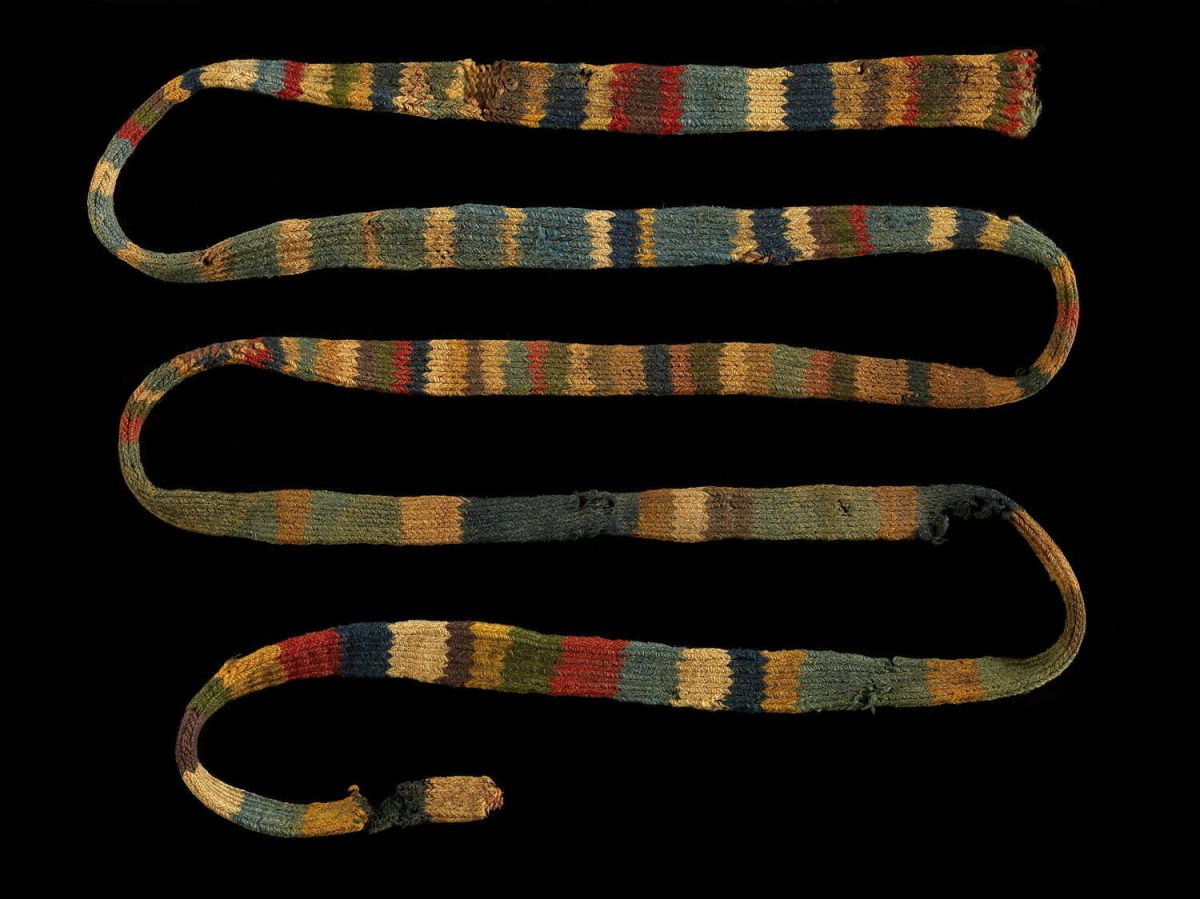
What is the earliest evidence for knitting? This is a question whose answer will evolve over time as interest in knitting research grows and brings more material to light. Many books that cover this topic (including my own – Keepers of the Sheep: Knitting in Morocco’s High Atlas and Beyond) follow in the footsteps of…
Marashi Aseghnagortsutyun (Marash Embroidery) Part I: more evidence for Armenian and Egyptian connections?
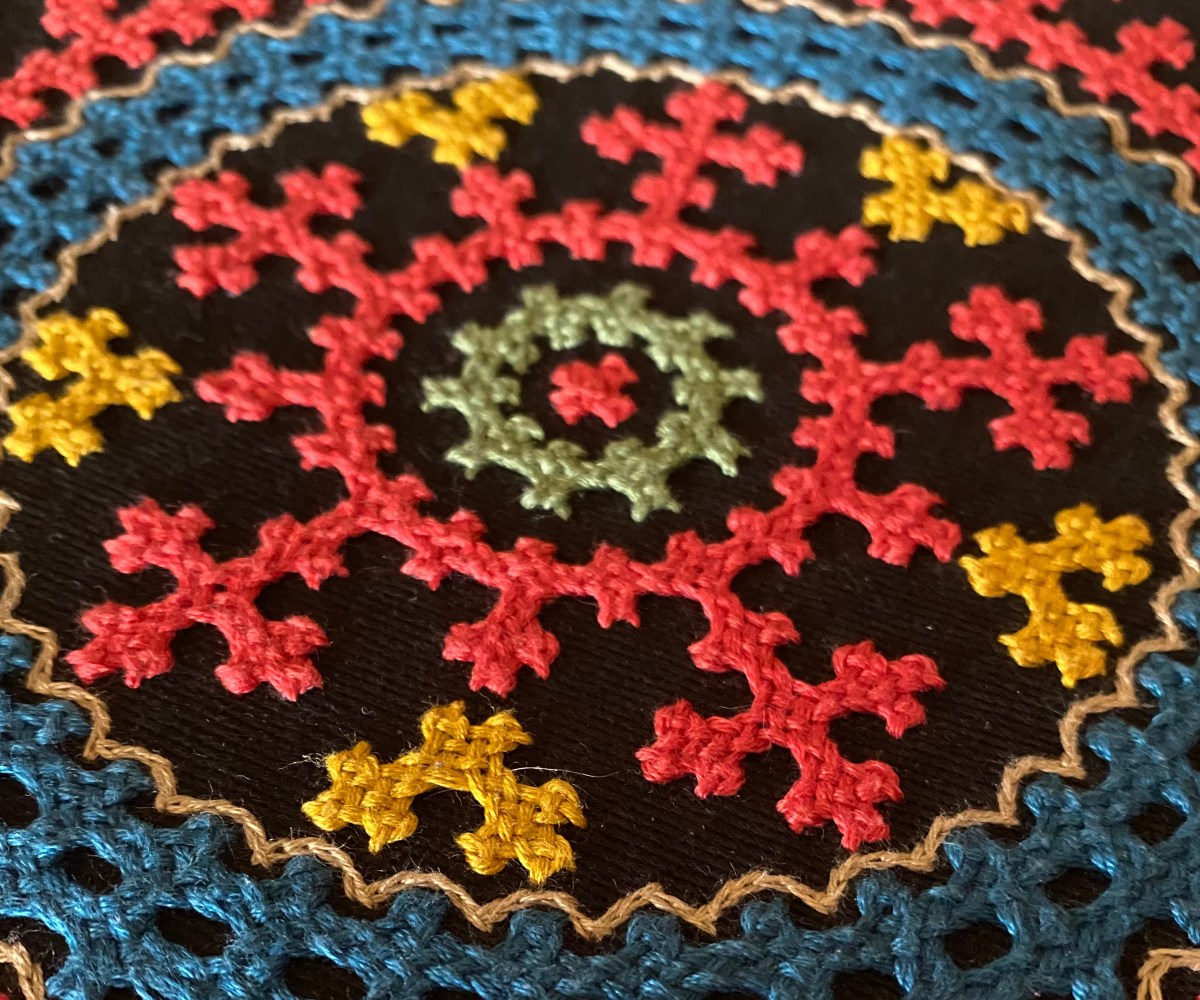
Back in November, I went to the Ashmolean Museum in Oxford to see a few textiles in their collection that are not on display. Before my appointment, I toured the textile room (Gallery 5, Floor -1) where I was very excited to see two fabric scraps (below) with a unique type of embroidery that I…
Tarriwin, or Middle Atlas Leg Warmers, in Photos
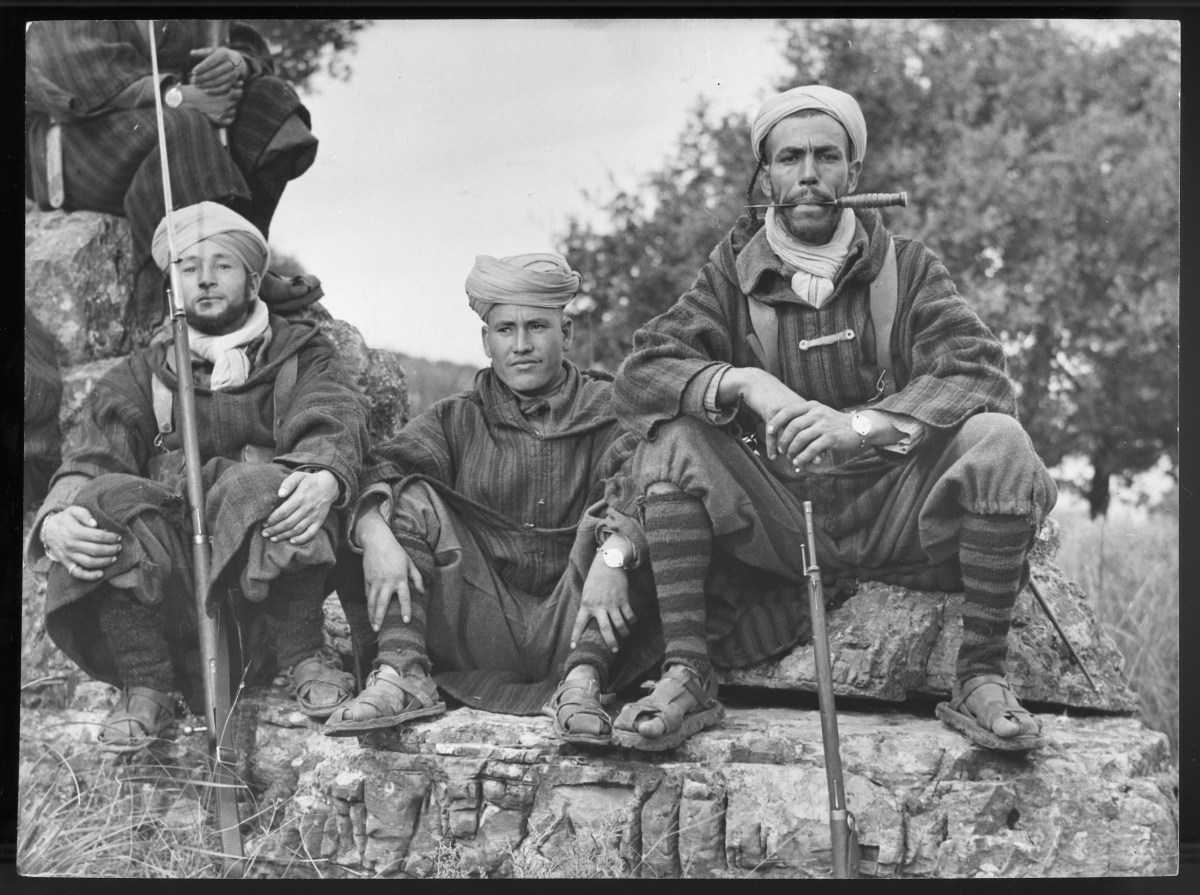
Two posts ago (here), I wrote about how I learned of tarriwin; my experience trying to find tarriwin knitters; and my hypothesis for the knitting technique used in making them. Following that post (here), I wrote about tarriwin knitting and how it might help to untangle the history of knitting. Now, I’d like to share…
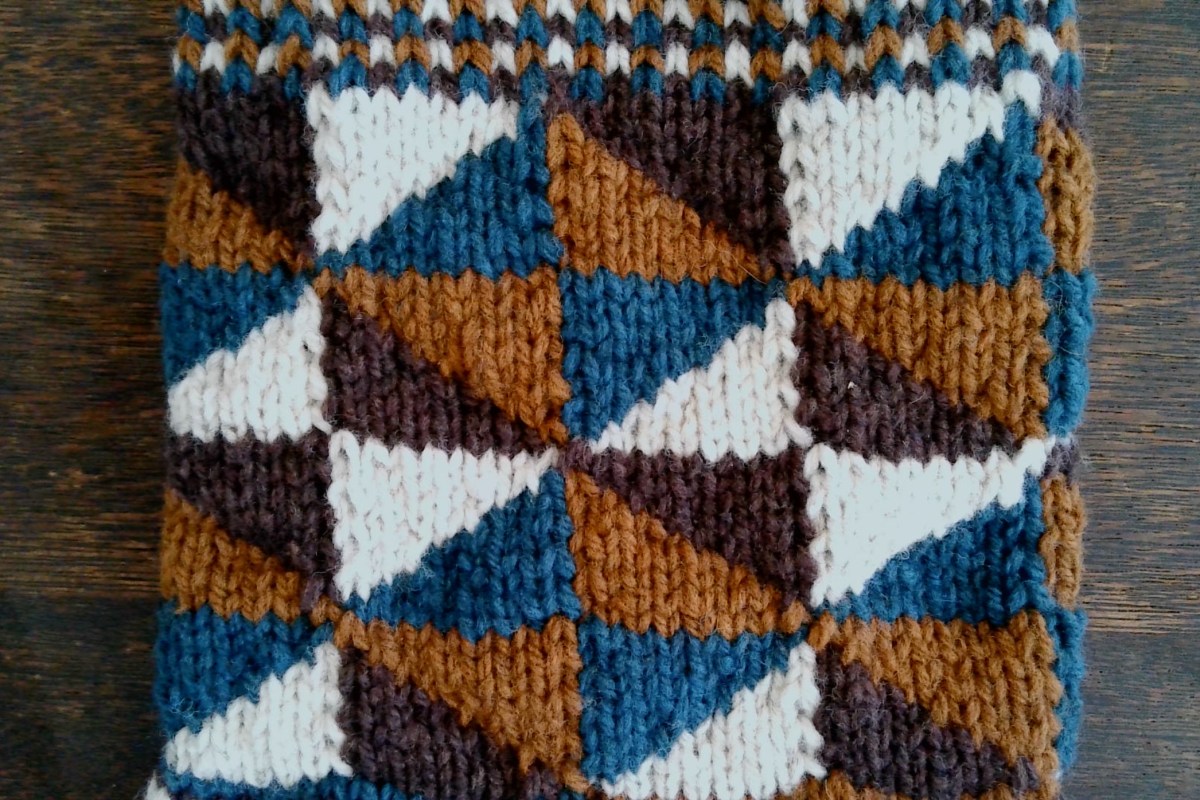
Why is Moroccan Intarsia-in-the-Round Knitting Important?
Moroccan Knitting and the History of Knitting The history of knitting has intrigued me since my early 20s when my mom gave me Nancy Bush’s book, Folk Socks: The History and Techniques of Handknitted Footwear, for my birthday. It was in the pages of Folk Socks that I first learned about knitting in northern Africa.…
Something went wrong. Please refresh the page and/or try again.
Get new content delivered directly to your inbox.
 106 Meters from the Road