Nigerien Coolers

20130810-134725.jpg

(Photo Credit: Dad)

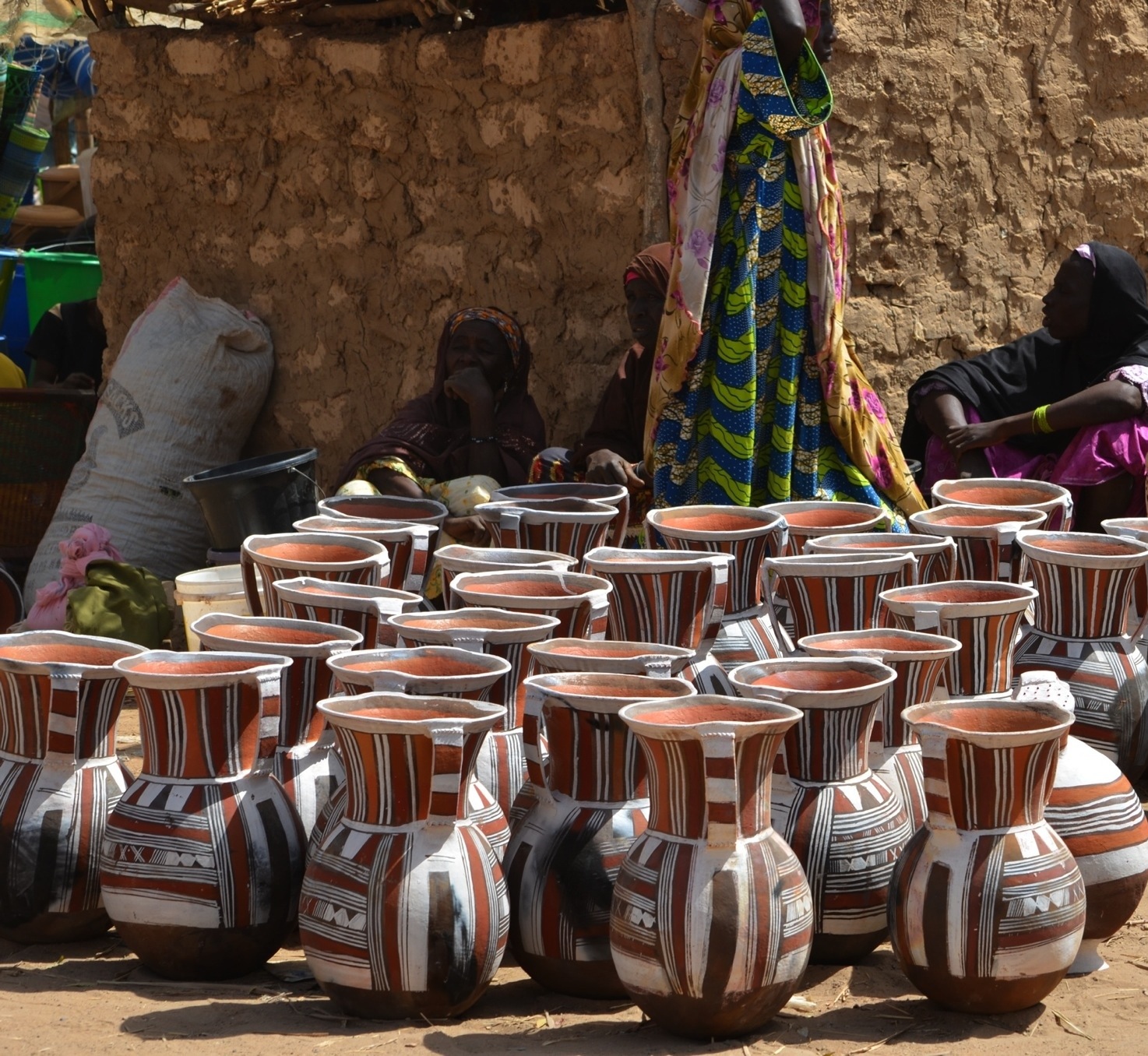
Traditionally, Nigeriens use a large, ceramic jar called a “Kanari” for storing water. These hand-painted jars keep well water cool. A round, woven mat balanced across the jar’s opening keeps out bugs and lizards. In some homes, you will see a kanari or two half-buried in the ground for insulation. The owners place a small calabash on the lid so thirsty visitors can get a refreshing sip. Usually, it is women who make the jars and pass on their craft to their daughters. In Boubon, a village famous for pottery making, women use clay from the nearby Niger River as well as broken bits of old kanari that have been crushed into a powder and incorporated into the clay. Although it is still possible to see these jars around Niamey, plastic coolers are quickly replacing them.

Boubon Market

20130810-131647.jpg

(Photo Credit: Dad)

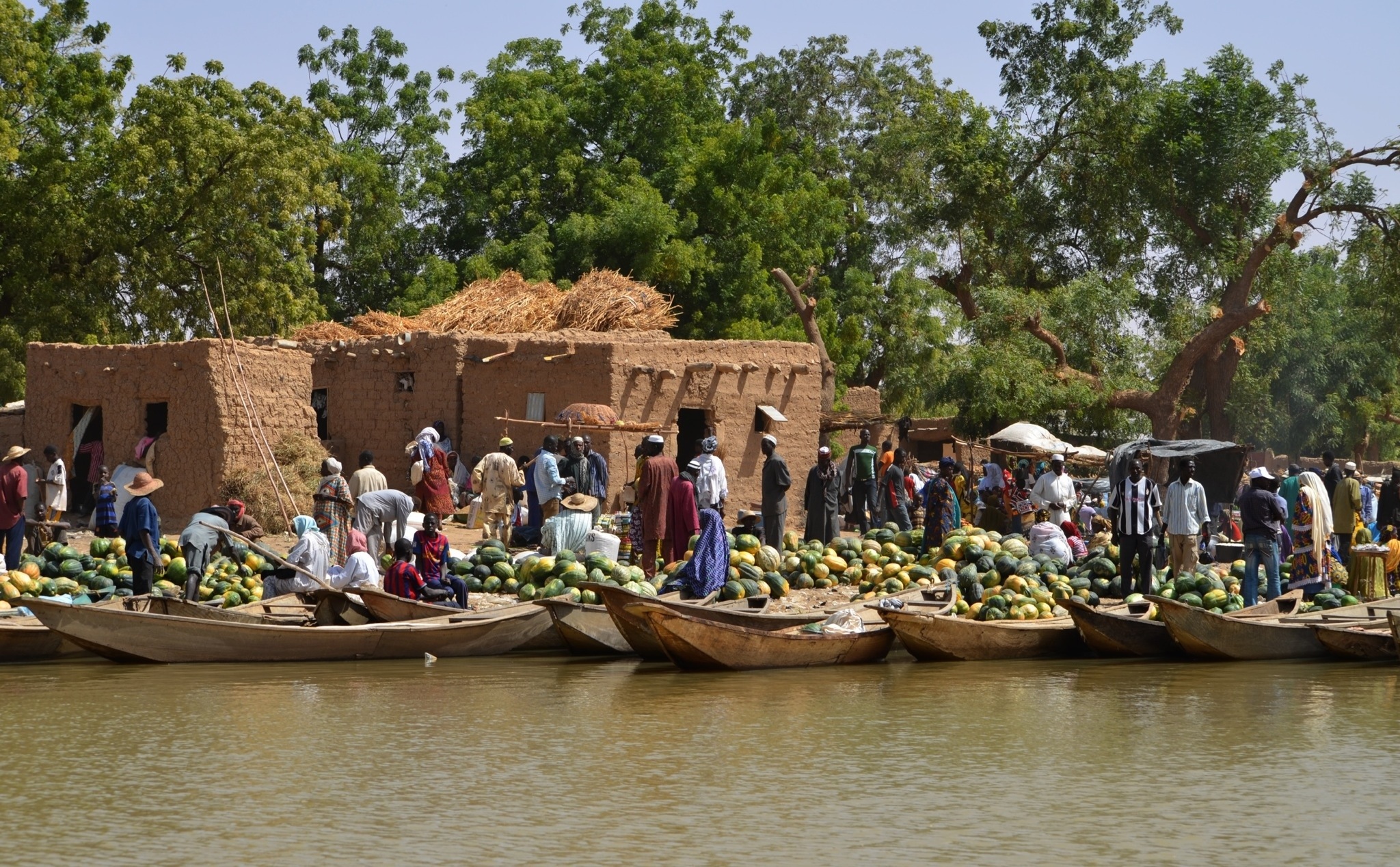
Boubon, a small village on the banks of the Niger River, comes to life every Wednesday as peddlers and customers come together under the shade of woven mat canopies. People arrive in shallow wooden boats, called pirogues, which are piled with sacks of grain, plastic buckets, pumpkins, and cages full of guinea hens. Cows swim next to the boats – their owners holding onto their horns so they won’t get lost. In the market, you can find a variety of products – large, yellow calabash bowls; woven straw mats; chunks of translucent Gum Arabic for thickening sauces; cows, goats, and sheep; second-hand bicycles and radios; and the beautiful, painted ceramic jars for which Boubon is famous. To learn more about these jars, see my Photo Highlight: Nigerien Coolers.

Drawing Water

20130807-220203.jpg

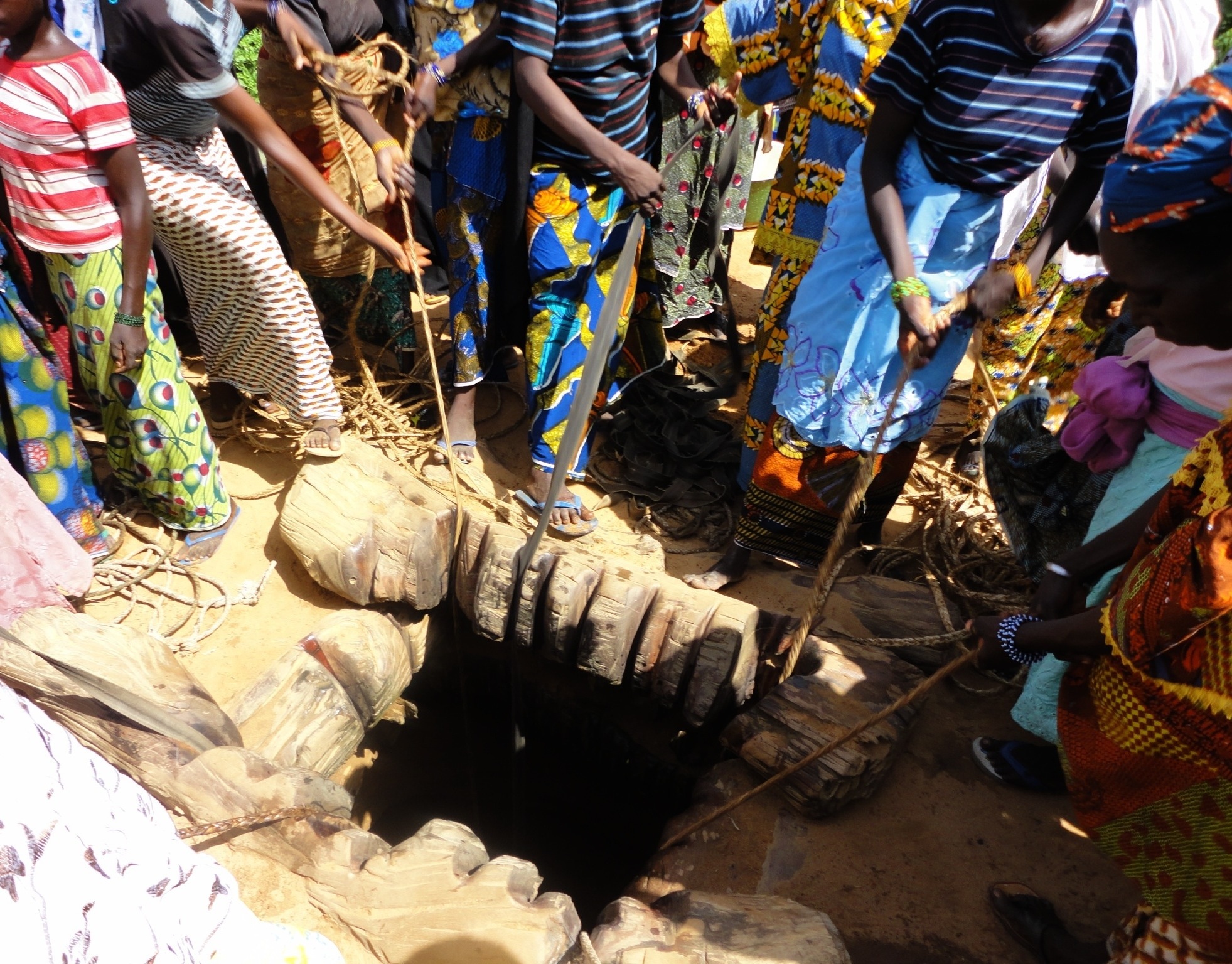
Even though we did not speak the same language, the village women made it clear that they wanted me to experience hauling the water bucket from the bottom of the 118 meter well. I stepped up to the edge of the gaping hole surrounded by four hefty wooden logs. Each one was deeply grooved in parallel lines by the daily passage of ropes. I was terrified that I would fall in. I took hold of the thick rope with both hands and pulled, digging my feet into the dirt, trying not to look down. The great resistance of the water-filled bucket deep down at the bottom of the well traveled up the rope. I could feel the women behind me as they grabbed the rope just behind my hands. There were three of us in a line, bending forward and leaning back in unison as we inched the heavy bucket closer to the surface. It seemed it would take forever. Finally, with sweat seeping through my shirt, we pulled the large pouch made of tire rubber to the surface. Cloudy water sloshed onto our dusty feet and instantaneously disappeared into the hard packed earth.

Grasshoppers for Dinner

20130806-232821.jpg

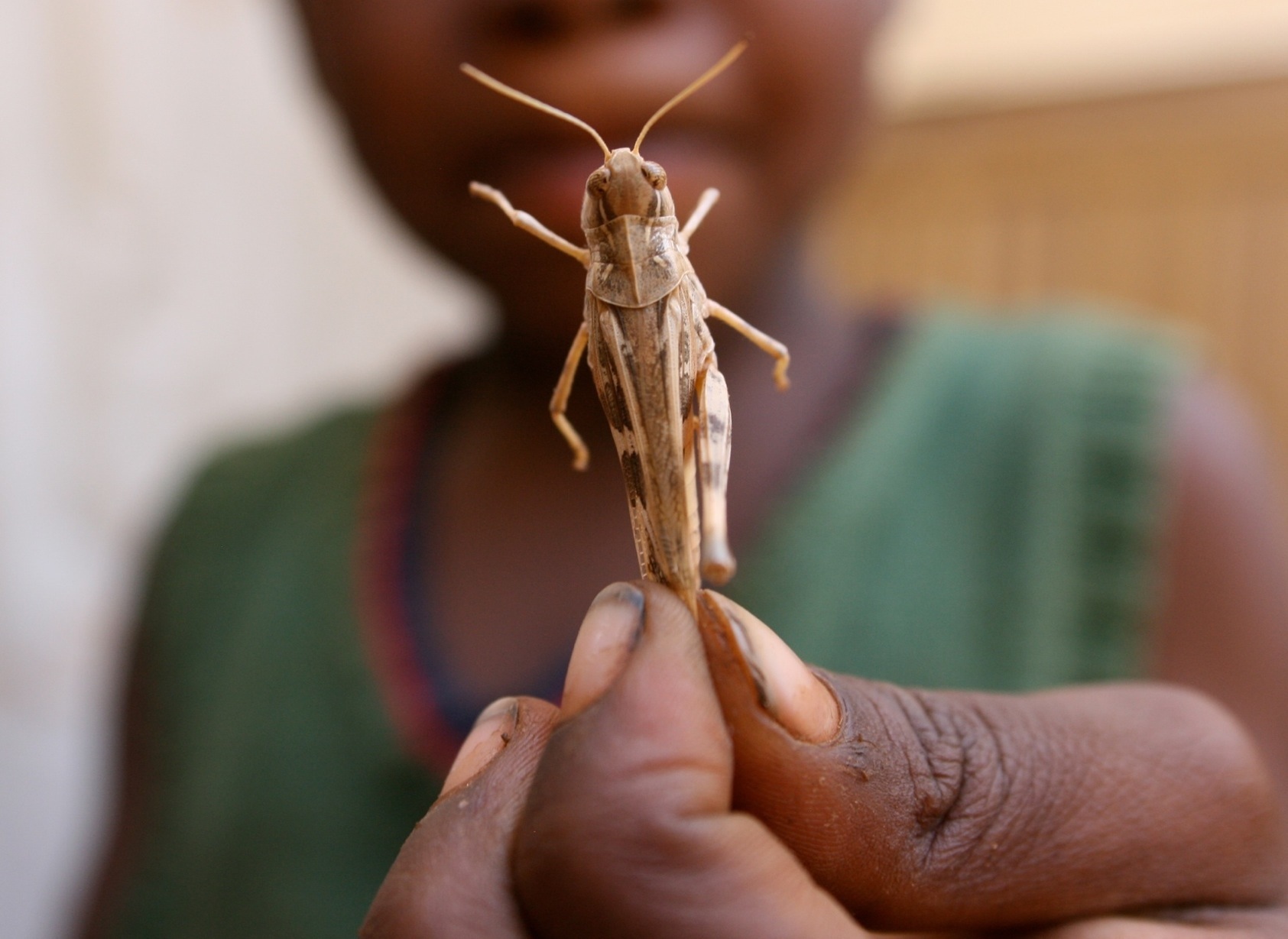
Niger is full of grasshoppers. My friend’s son enjoys catching them just to show he can. Some villagers outside of Niamey gather the insects in the early morning when the grasshoppers can’t move too quickly. At home, they boil them, dry them in the sun, and then bring them to Niamey’s Katako market. Sautéed grasshopper with West African spices is a popular snack. Read more about it at amoveablekitchen.blogspot.com.

Salt Caravan

20130806-225622.jpg

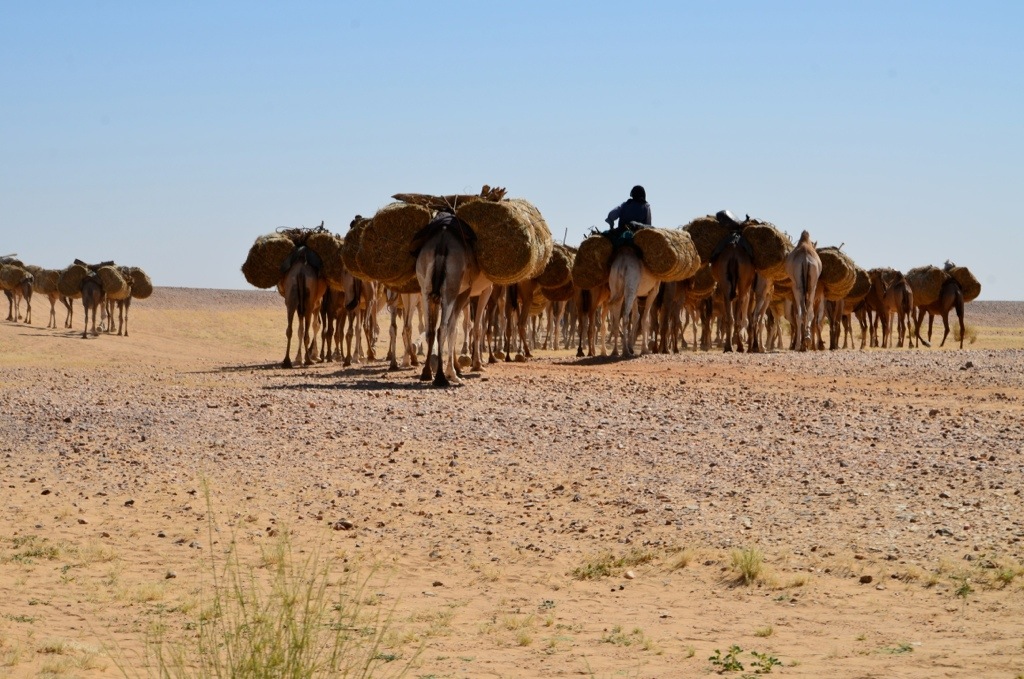
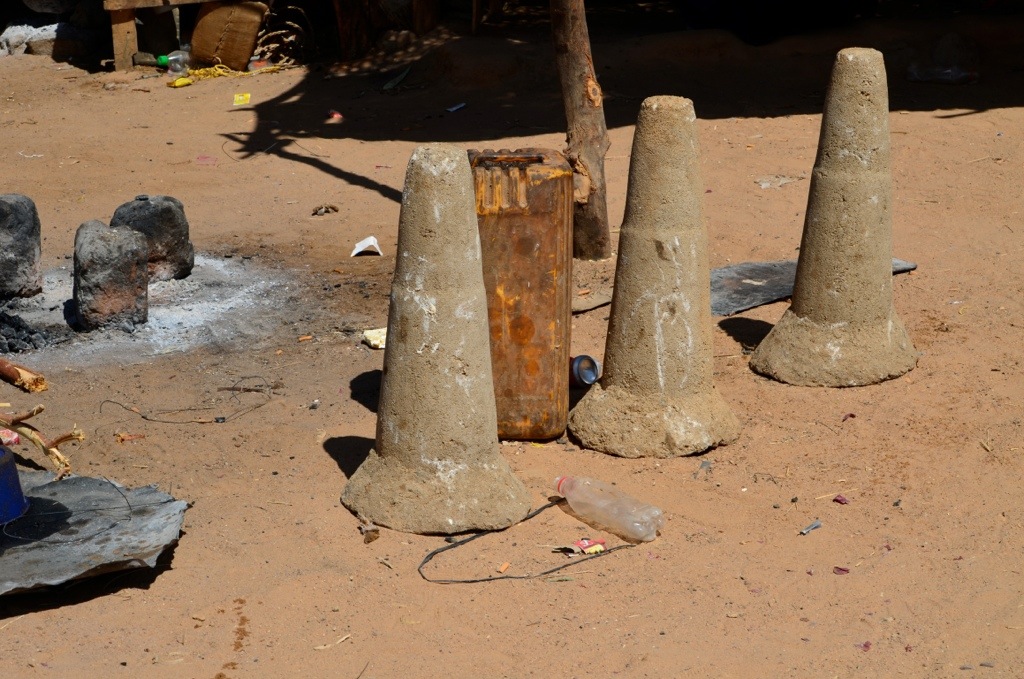
While driving east out of Agadez one November day, we came across some Tuareg traders setting out on their annual trek across the Sahara to the small town of Fachi. A small handful of men undertake the arduous 29 day journey with camel herds reaching into the hundreds. Loaded on the backs of the camels are provisions for the men and their animals as well as fresh produce and firewood to trade for the large cylinders of salt they bring back to Agadez (pictured below). You can find these same salt cylinders in Niamey’s markets as well. According to Issouf Ag Maha in his book, Touraeg du XXIeme Siecle, the journey is considered a right of passage for young Tuareg men. Navigating through a bleak environment with few landmarks and no sources of food and water for nearly two months is not taken lightly.

20130806-231929.jpg

The Edge of the Tenere

20130806-100140.jpg

I will never forget sleeping under a desert sky full of crystalline stars. As I lay on my blanket arranged on the sand, the only sound I heard was an occasional breath of wind. The vastness of the empty space made me feel incredibly small. The silence amplified the size of the Earth and the universe to which we belong. Getting there, I thought we would lose our SUVs to the satiny sand, but they made it thanks to some expert driving. There are no roads once you get out there – even the dirt tracks carved by previous vehicles do not exist. You feel really and truly alone.

Tuareg Dating

20130806-091259.jpg

At the annual Cure Salée in July, the Tuareg and Wodaabe gather at In-Gall near Agadez for a month of camel racing and speed dating before the nomadic groups splinter off again into the dusty expanses of the Sahara and Sahel. One evening, the Tuareg gathered for the “dating wheel” in an empty expanse near their pitched tents. Women, decked out in their finest, sat atop donkeys loaded down with decorative leather household items in maroon, teal, and midnight blue. Turbaned men wheeled their towering camels this way and that to show off the elegant swish of long leather tassels hanging from the animals’ humps. When it was time, the women steered their donkeys into a circle and began parading them in a counter clockwise direction. The men on camels quickly formed a ring around the women and maneuvered their camels in a clockwise direction. They continued in this way for a while, giving both men and women a chance to check each other out before approaching their love interests after the event.

Land Nomads

20130806-084654.jpg

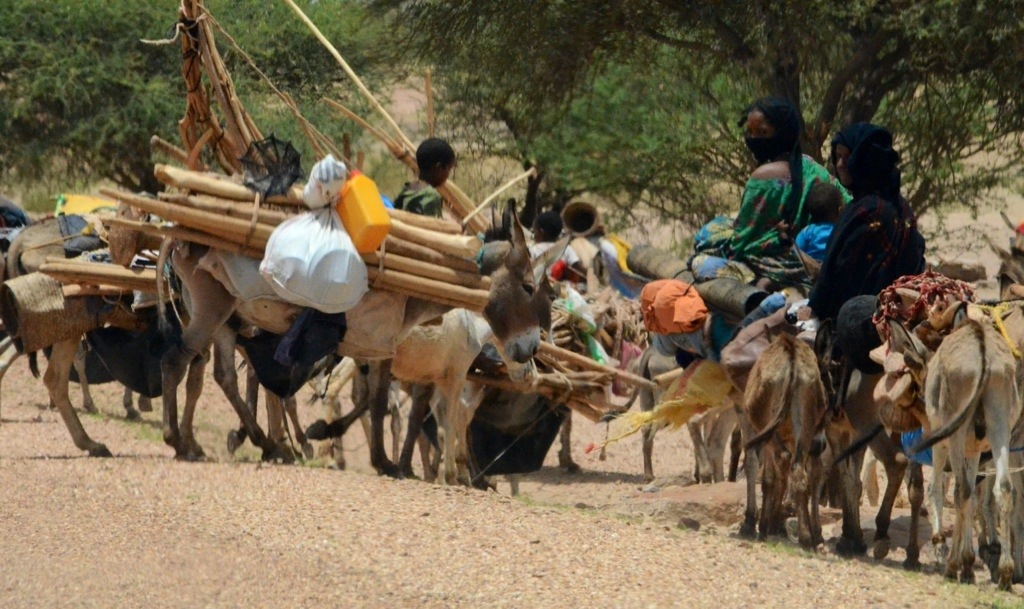
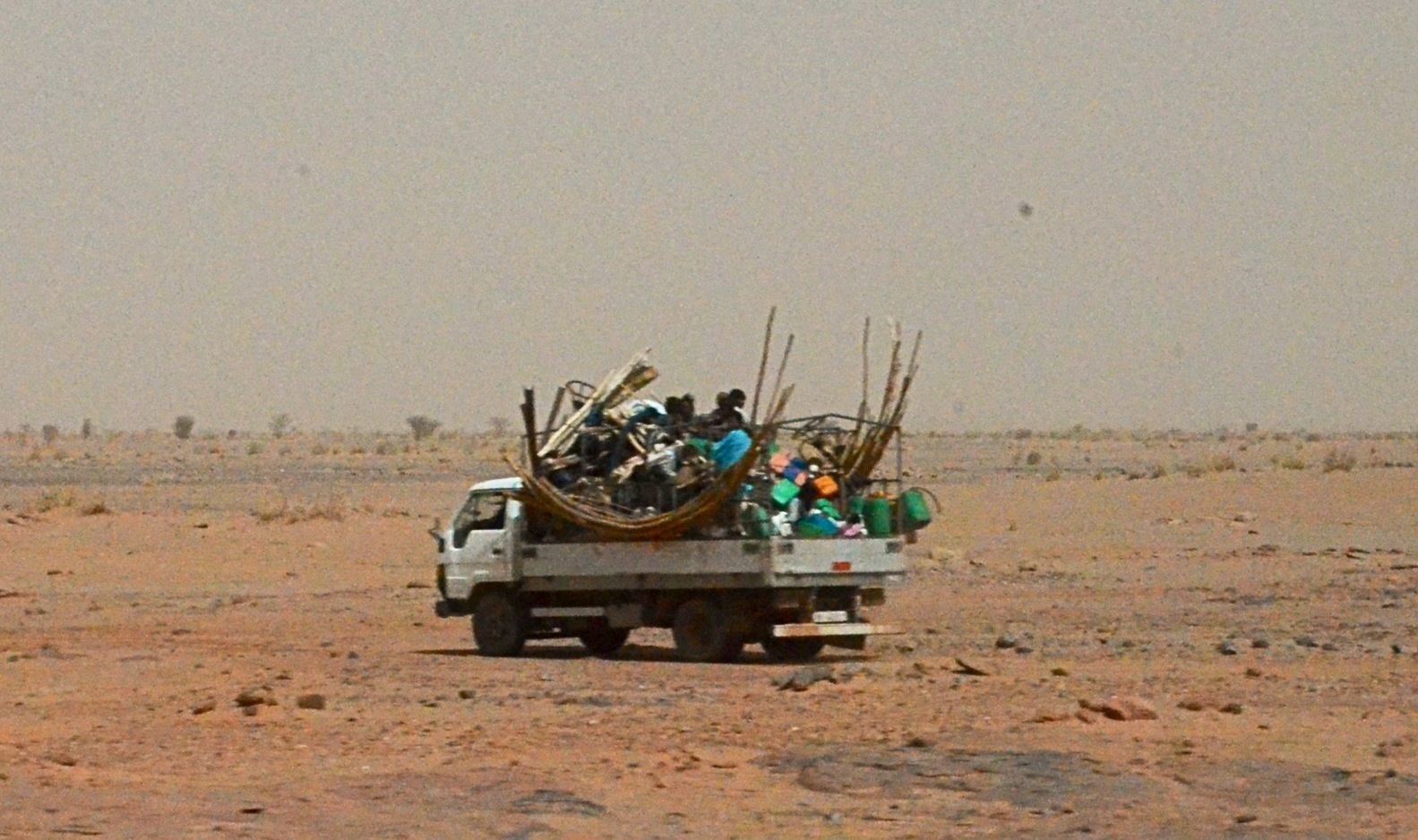
Traveling near Agadez in July brings you across many caravans of people moving their cattle, sheep, goat, and camel herds across the greening desert. The herders take advantage of the shallow lakes produced by the seasonal rains that fall from April to August. Both people and animals congregate around the watering holes to quench their thirst and cool off before moving on to stubbly pasturelands. Many herders move their household the old-fashioned way – on the backs of camels or donkeys. But, increasingly, you see traditional loading methods on the backs of Toyota trucks as well…

20130806-085616.jpg

River Nomads

20130805-183333.jpg

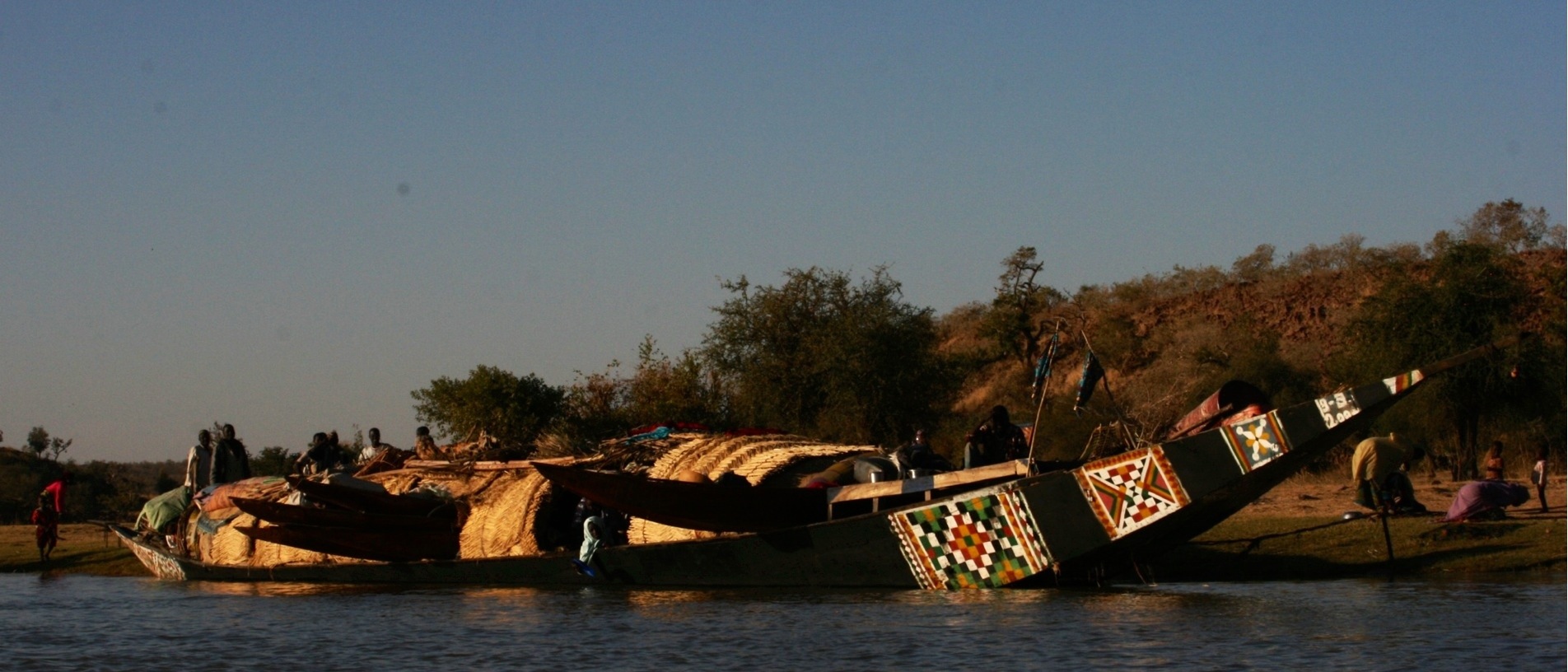
As our narrow pirogue slipped through the Niger River, I looked out across the calm water reflecting the rosy hue of the evening sky. In the distance, four large pirogues glided silently towards us. Unlike our open passenger boat, these ones were piled high with sacks, buckets, goats, chickens, and one even had a motorcycle on it. They also had smaller pirogues stacked one on top of the other across their decks. Shelter for the boats’ inhabitants was provided by straw mats stretched in arcs across parts of the deck. Colorful pieces of cloth fluttered from the entryways of the shelters. While the four boats pulled up to shore, more boats came gliding into view. There were eleven of them altogether. Men, women, and children jumped on land and set to work immediately preparing cooking fires. Dusk was clearly upon us and the first evening stars were beginning to appear on the darkening horizon.

These were river nomads, people from Mali who travel down the Niger River through Niger and into Nigeria where they trade agricultural products for manufactured goods like petrol, household wares, and other urban commodities before traveling back up the river to Mali.

Camel Racing

20130805-143307.jpg

The Shiriken, or camel festival, takes place every Spring in Akoubounou, Niger – a small town near Abalak in the western part of the country. Tuaregs from the region gather for horse and camel racing, tende music and dancing, Tuareg blues under the stars, and people watching. Community leaders established the festival as a way to keep Tuareg traditions alive as many young people have moved to the city and no longer follow the nomadic, camel-centric lifestyle of their forebears.