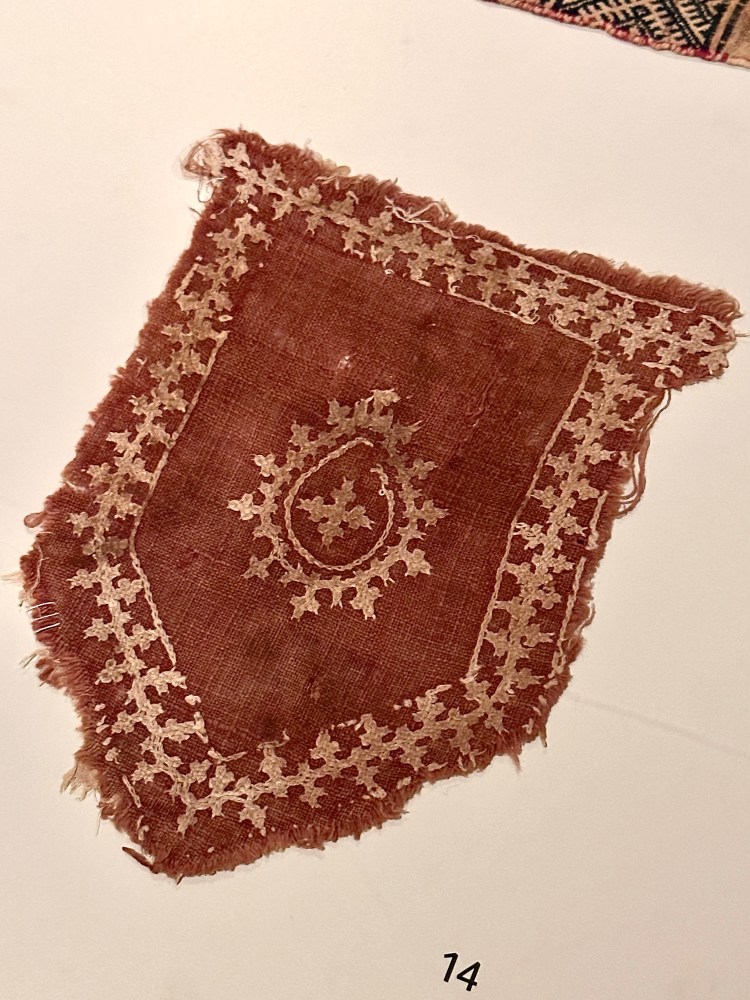
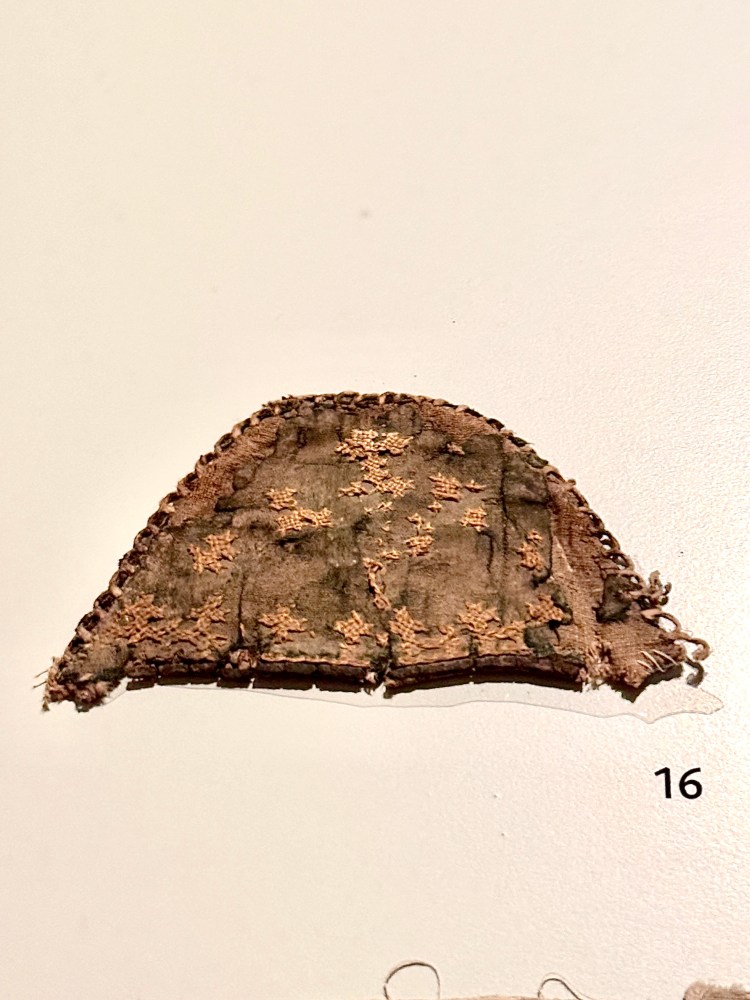
Back in November, I went to the Ashmolean Museum in Oxford to see a few textiles in their collection that are not on display. Before my appointment, I toured the textile room (Gallery 5, Floor -1) where I was very excited to see two fabric scraps (below) with a unique type of embroidery that I had learned about while living in Yerevan, Armenia.
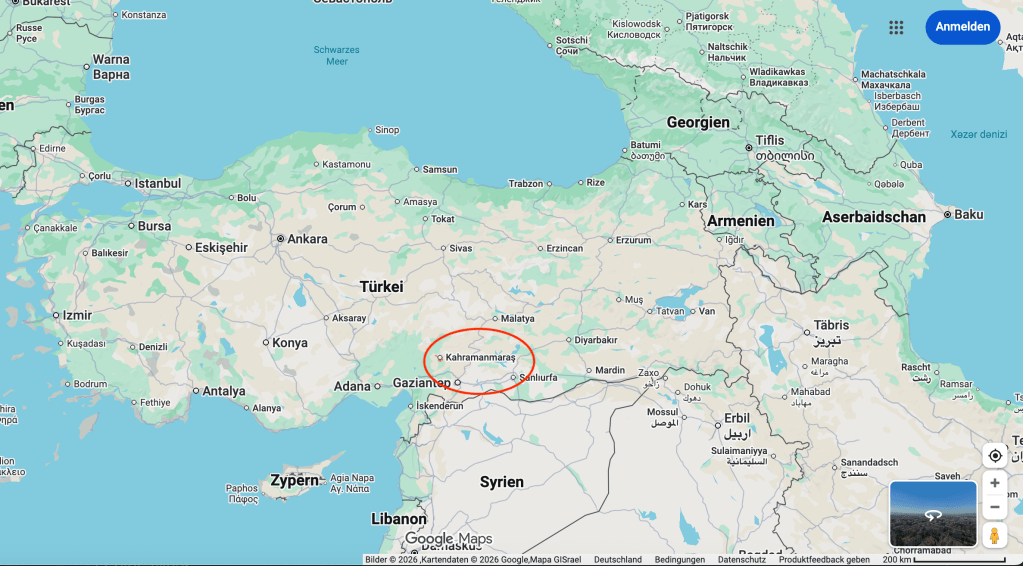
In Armenia, this type of embroidery is known as Մարաշի ասեղնագործություն (Marashi aseghnagortsutyun – Marash embroidery). It is named after the region with which it is associated in the southeastern corner of modern Turkey (now Kahramanmaraş). In the past, this area had a significant Armenian population and was once part of the medieval Armenian kingdom of Cilicia.
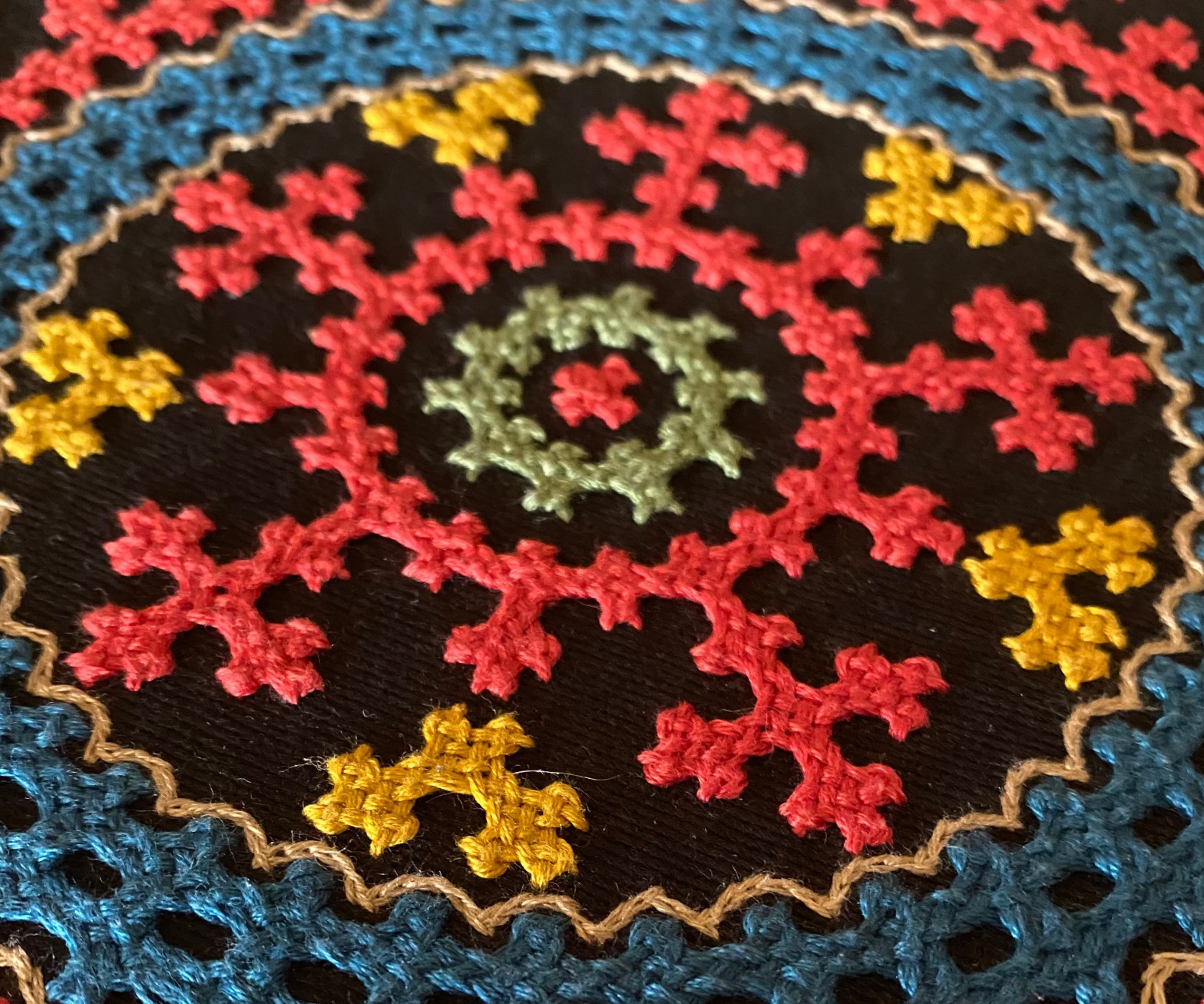
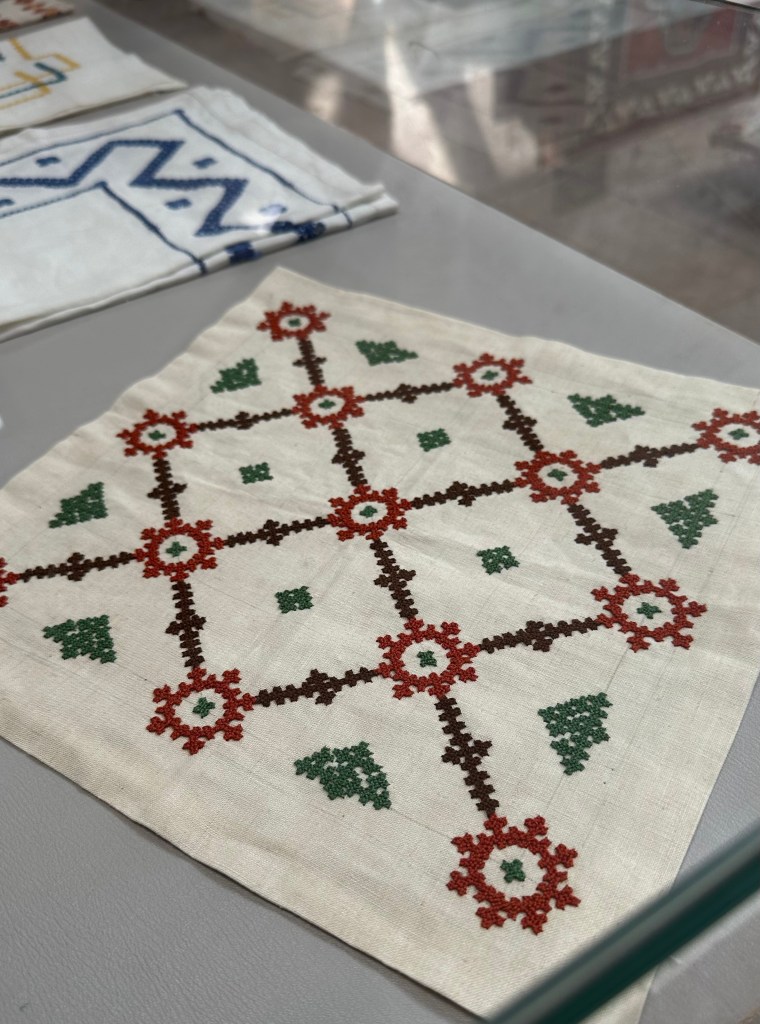
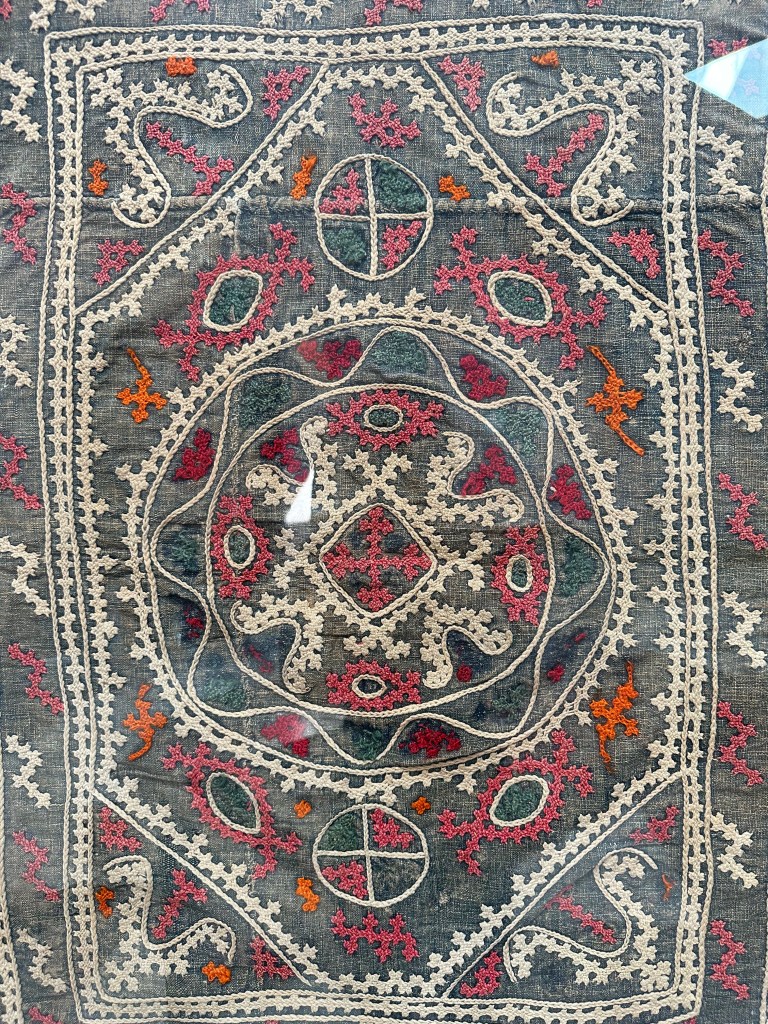
There are two types of Marash embroidery – flat (հարթակար – hartakar) and woven (հյուսված կար – hyusvats kar).* The woven type of Marash embroidery (pictured below) is quite complex. The stitches are formed by creating a herringbone stitch foundation through which the thread is then woven. This method of stitching and weaving creates a cross-type structure that can stand on its own as a design element or be repeated over and over again to create lines, curves, and fields.
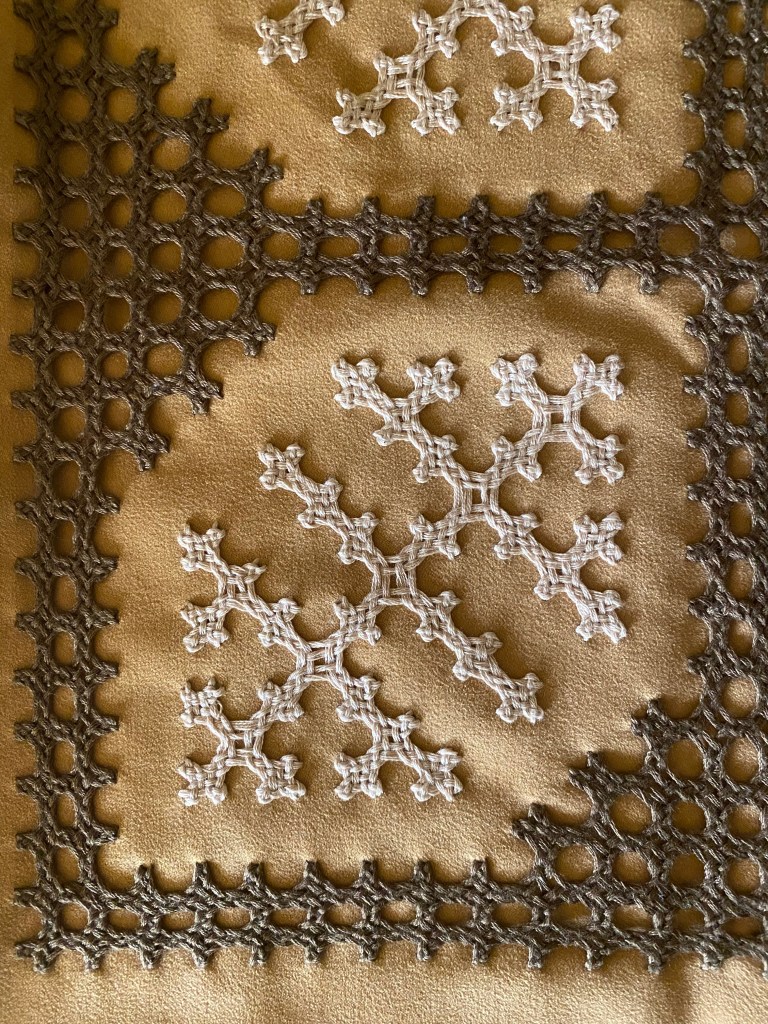
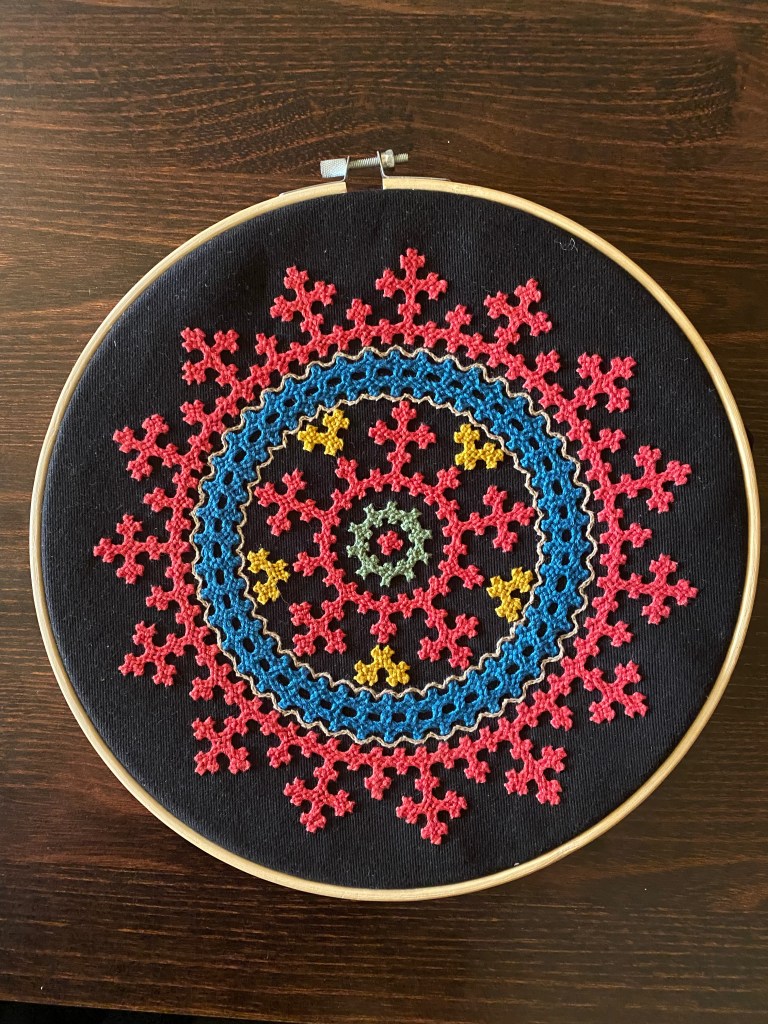
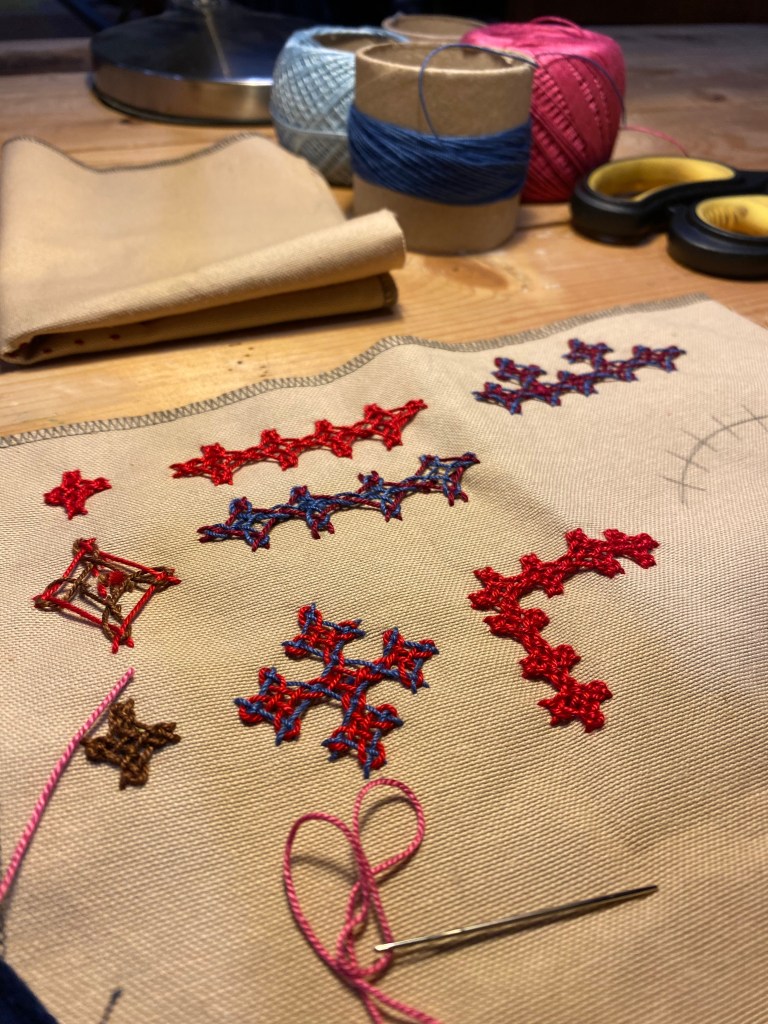
In Marash, woven embroidery was used to decorate a variety of textile products including clothing, curtains, tablecloths, bed covers, and other textiles for the home. In general, this type of embroidery was done by women both in the home and in workshops. The objects they made were used within the family but were also traded to lands both near and far.
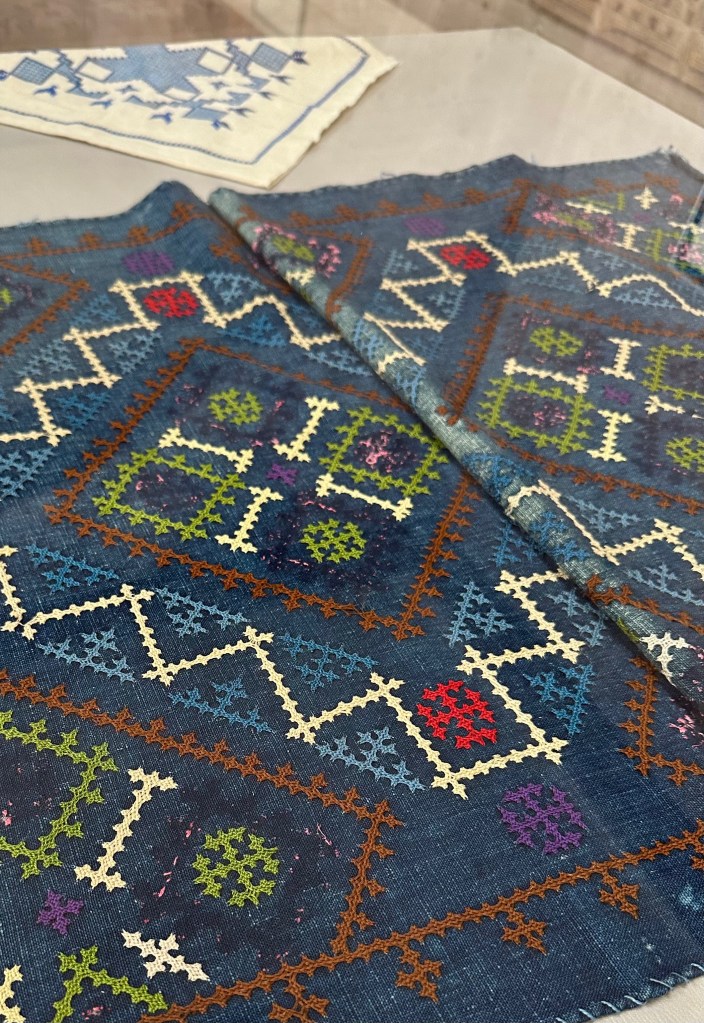
The pieces of woven embroidery (below) at the Ashmolean date to the late 1200s to early 1300s CE (brown tab) and 1250 to 1517 CE (slipper toe). They were found in Egypt and may have been imported or made in Egypt by Armenians living there. Fustat, and later Cairo, were metropolitan cities with diverse inhabitants from many parts of the world. The Armenians had been living in these cities and other parts of Egypt since the early centuries of the Common Era, working as architects, scholars, merchants, soldiers, government officials, and even viziers (or wazirs) – a high-ranking political advisor, minister, or counselor. In fact, the last century (11th to 12th century CE) of the Fatimid caliphate, which was administered from Cairo, is sometimes referred to as the ‘Armenian period’ because of the six leaders of Armenian descent who essentially controlled the empire through the position of wazir.
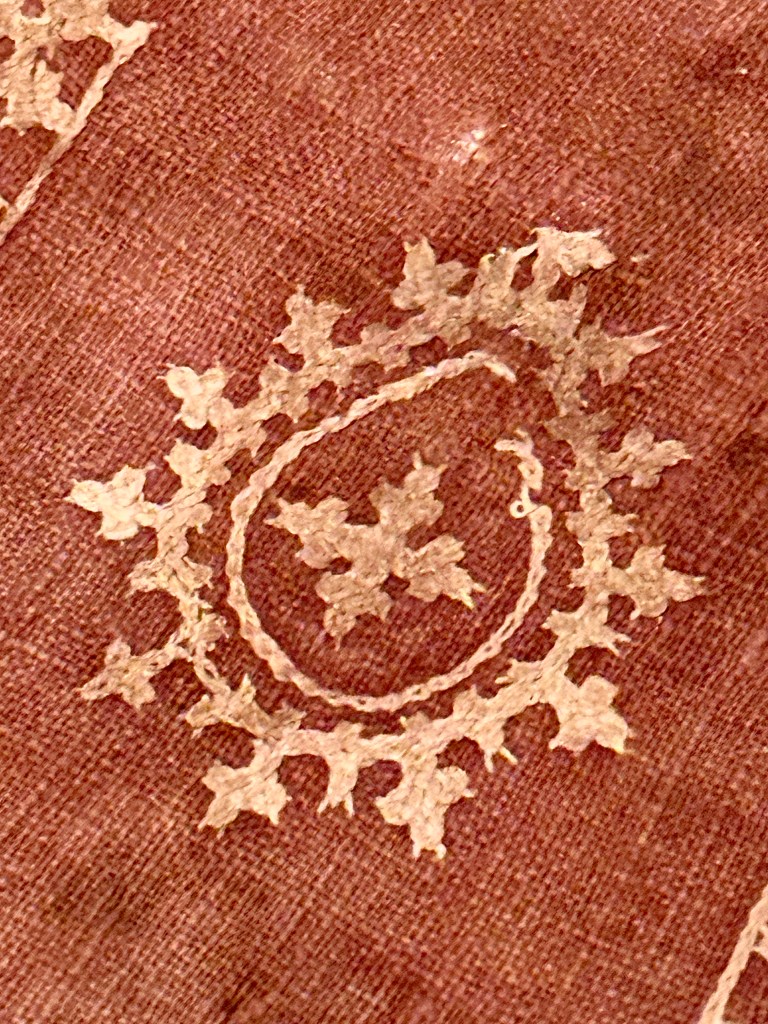
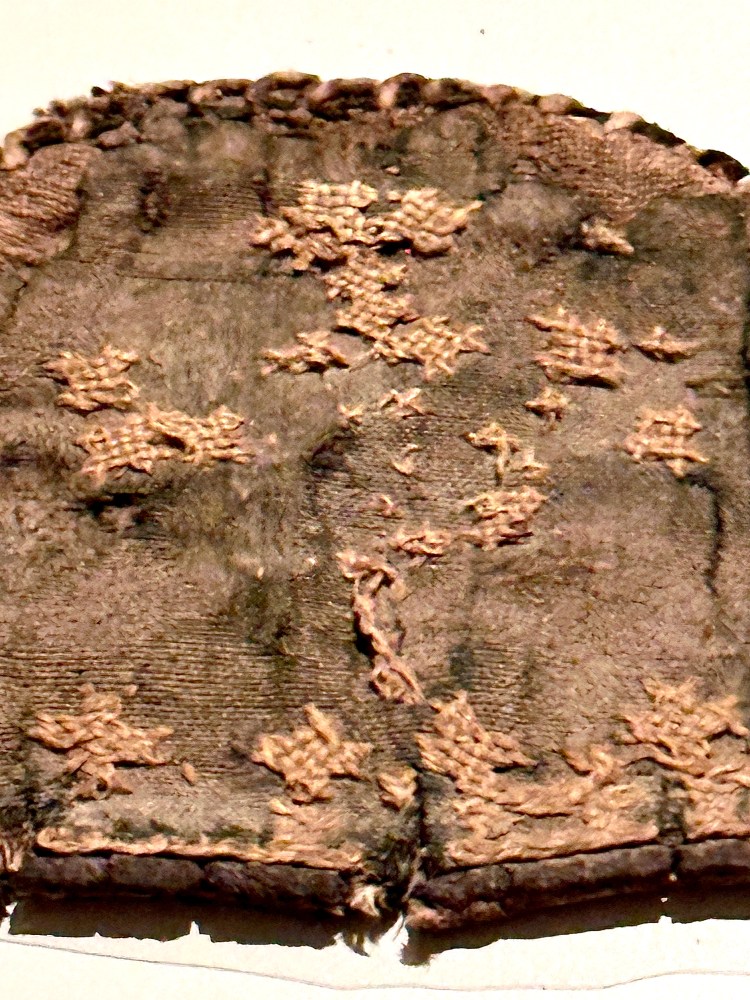
The Armenian presence is attested in the historical record, and objects with possible links to Armenian craftsmanship (like these embroidered pieces) do appear in archaeological excavations and museum collections. However, it is very difficult to identify exactly who made an object and to determine exactly how that object came to be in the place it was found. Nevertheless, the fact that there were substantial Armenian communities living in Egypt in the medieval period means it is possible that these objects were embroidered by Armenian hands in Egypt.
You can read about another possible connection between the Armenian people and North Africa in my article published by the Archaeological Textiles Review – “Updating knitting history: a connection between Egypt and Armenia?“
* NOTE: The Armenian language is divided into two main dialects – Eastern and Western. There are many other dialects within these two branches. Moreover, the Armenian people, like so many people around the world, were multilingual – often speaking other languages such as Greek, Arabic, Turkish, and/or Persian. For this reason, some may refer to these stitches by other names. The names used here are in the Eastern Armenian dialect common in Yerevan today.
For more information:
Keshishian, V. (2011) “Sandjak of Marash – Trades.” Houshamadyan. https://www.houshamadyan.org/mapottomanempire/vilayetaleppo/sandjakofmarash/economy/trades.html
Ashmolean Museum Accession no. EA1993.240 – Tab with linked crosses and pear-shaped medallion. https://jameelcentre.ashmolean.org/object/EA1993.240
Ashmolean Museum Accession no. EA1984.360 – Textile fragment from a slipper front with linked crosses. https://jameelcentre.ashmolean.org/object/EA1984.360
Jiwa, S. (2023) The Fatimids 2: The Rule from Egypt. London: I.B. Taurus.
Dadoyan, S. (1997) The Fatimid Armenians: Cultural and Political Interaction in the Near East. Leiden: E.J. Brill.
 106 Meters from the Road