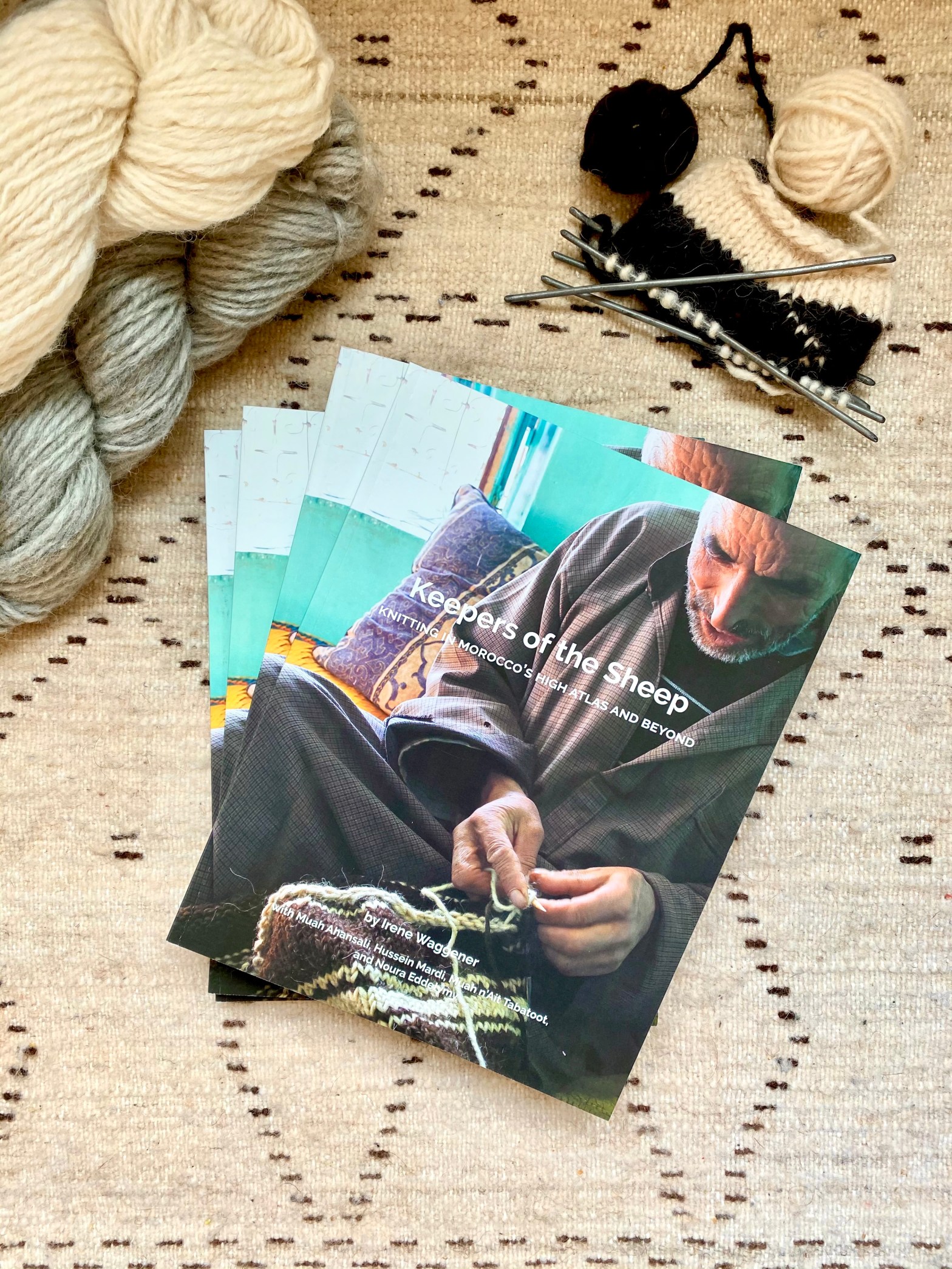
The question of knitting’s origins became a fascination for me when I was in my early twenties, but the limited information available at the time left me feeling unsatisfied. To be sure, the earliest chapters of knitting history are murky and obscure, making it very difficult to confidently say anything about the craft’s origins. Nevertheless,Continue reading “Why I wrote about knitting in Morocco (and, e-Book now available)”
Tag Archives: egypt
Proto-Knitting: a technique for mending nalbound objects?
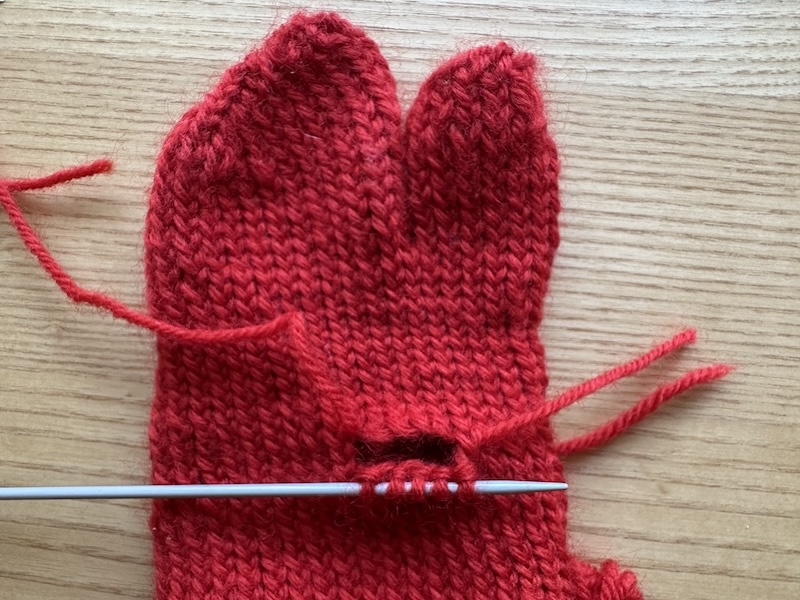
In my previous post (here) I outlined how I arrived at a theory for the development of knitting from cross-knit looped nalbinding. In short, I noticed that the structure of cross-knit looped nalbinding and crossed-stitch knitting are similar. The only difference was the direction of the loops (pointing down for nalbinding and up for knitting).Continue reading “Proto-Knitting: a technique for mending nalbound objects?”
Comparing Nalbinding and Knitting: did knitting come from nalbinding?
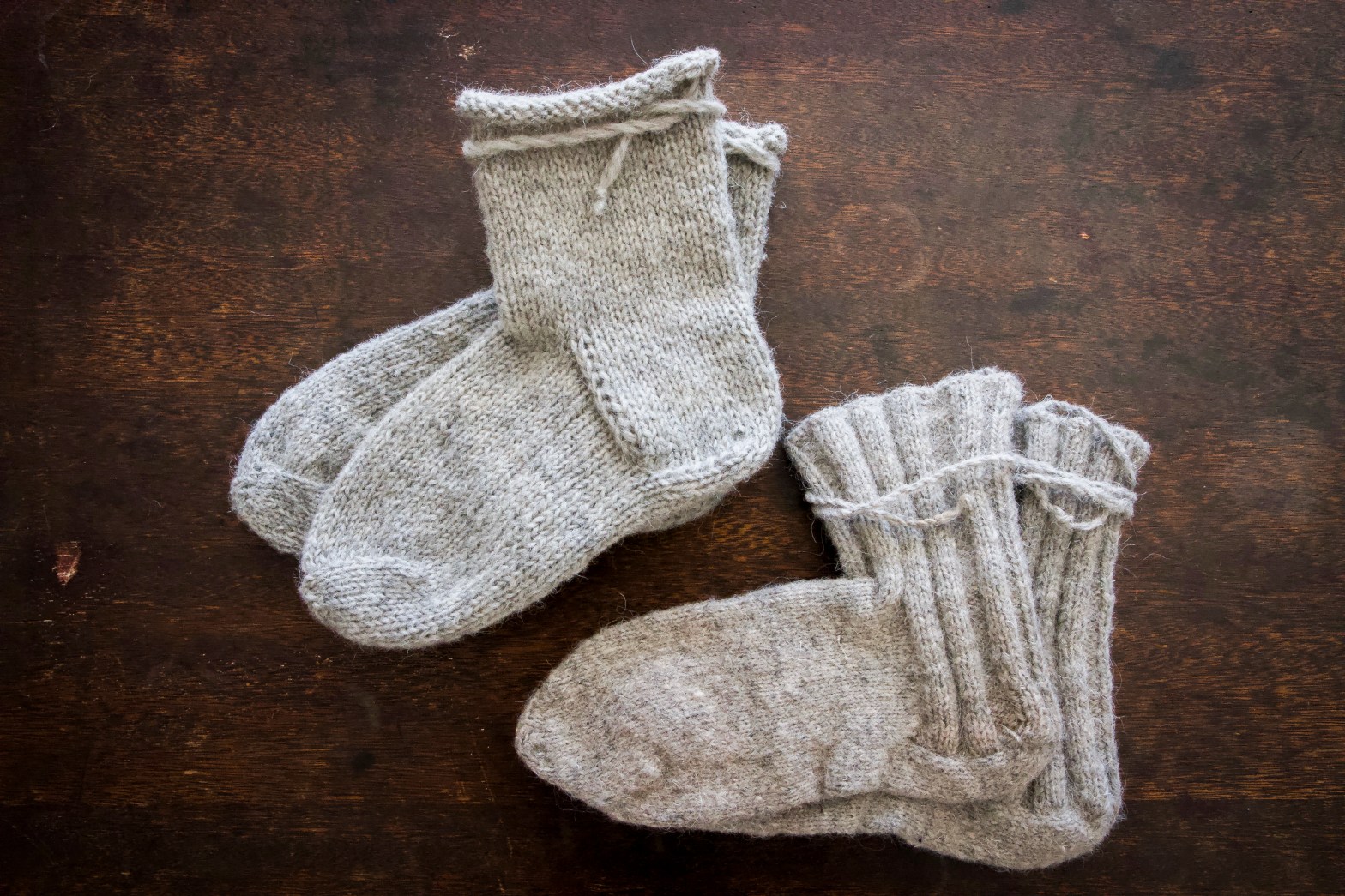
When talking about the origins of knitting, nalbinding is inevitably mentioned. This is because the objects we thought were the oldest knitted artifacts were in fact made by nalbinding, not knitting.(1) This is an easy mistake to make since nalbinding can produce a fabric that looks very similar to knitted fabric. But how similar areContinue reading “Comparing Nalbinding and Knitting: did knitting come from nalbinding?”
The Earliest Evidence for Knitting… so far
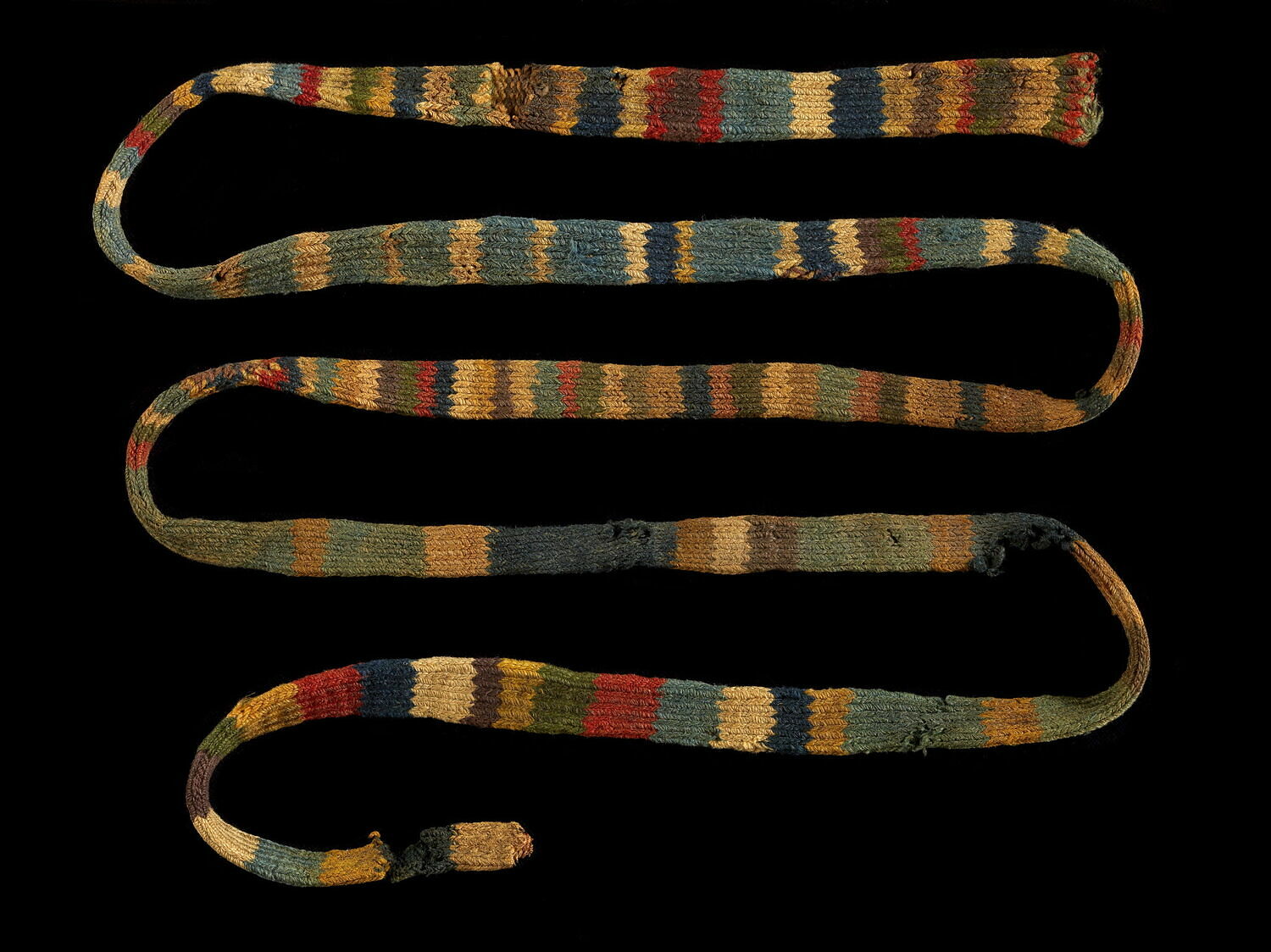
What is the earliest evidence for knitting? This is a question whose answer will evolve over time as interest in knitting research grows and brings more material to light. Many books that cover this topic (including my own – Keepers of the Sheep: Knitting in Morocco’s High Atlas and Beyond) follow in the footsteps ofContinue reading “The Earliest Evidence for Knitting… so far”
Marashi Aseghnagortsutyun (Marash Embroidery) Part I: more evidence for Armenian and Egyptian connections?
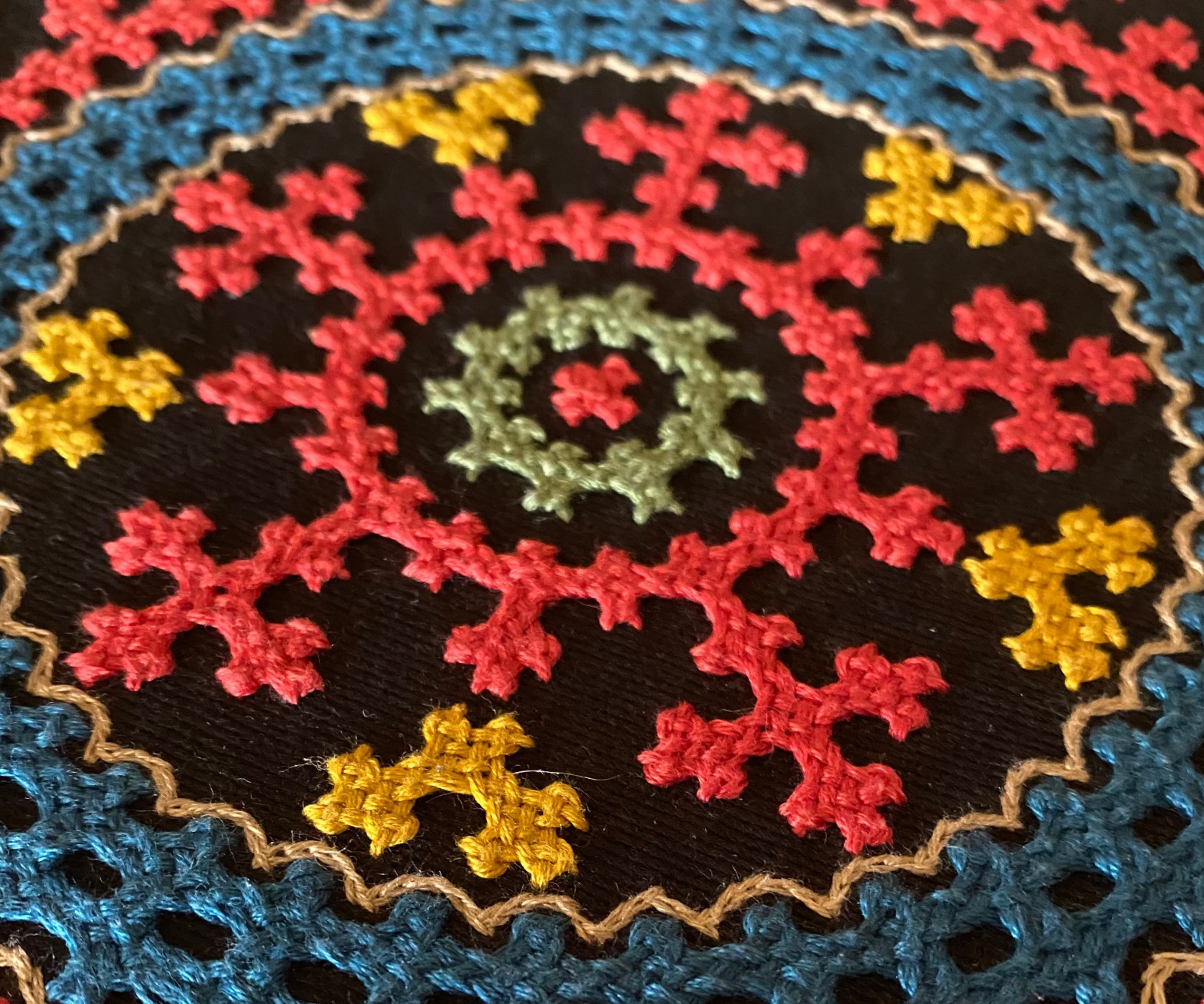
Back in November, I went to the Ashmolean Museum in Oxford to see a few textiles in their collection that are not on display. Before my appointment, I toured the textile room (Gallery 5, Floor -1) where I was very excited to see two fabric scraps (below) with a unique type of embroidery that IContinue reading “Marashi Aseghnagortsutyun (Marash Embroidery) Part I: more evidence for Armenian and Egyptian connections?”
Updating Knitting History
The oldest evidence for knitting, thus far, comes from medieval Egypt. These intriguing pieces, which range from technically simple to very advanced leave knitters and researchers with much to consider: Who knit these objects? How did they use them? How did knitting spread? How do these early knitting traditions relate to knitting practices today? ByContinue reading “Updating Knitting History”

